Castilla · Duero valley · Seven days
Empty roads. Cold mornings. Villages where the same families have lived for five hundred years. You will not find it on any map. You will feel it on the third day.
Why this exists
They land in Mallorca. They photograph Barcelona. They eat in Madrid. They return home and say they have seen Spain.
Meanwhile, another Spain still exists: quiet villages, empty roads, men drinking coffee alone at seven in the morning, vineyards that no one visits, a landscape that is not beautiful in any photogenic way and is extraordinary for exactly that reason.
The Duero Pilgrimage exists to take you there — slowly, physically, truthfully — before that Spain disappears unseen.
The mechanism
You move slowly enough to notice things. That is the entire philosophy.
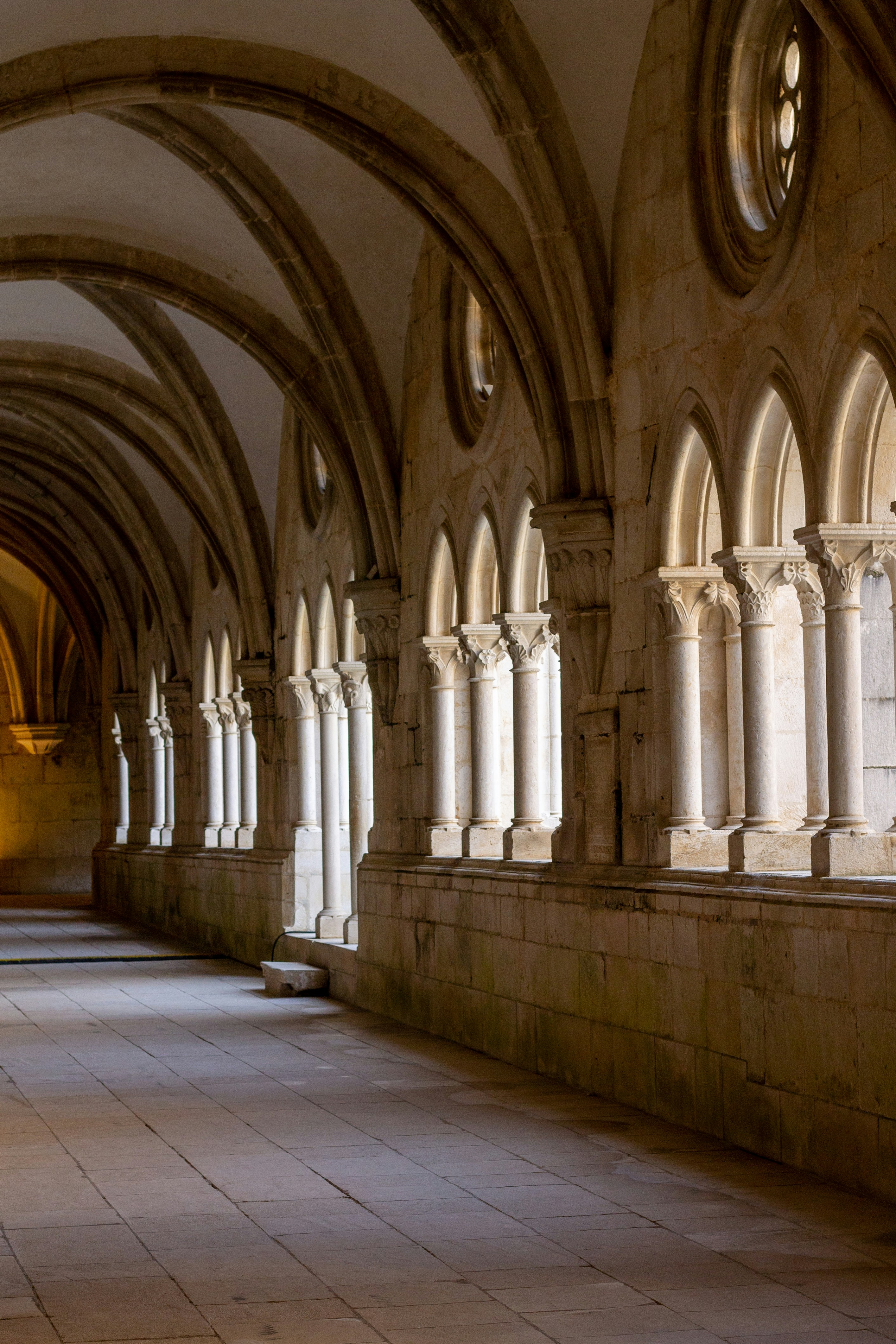
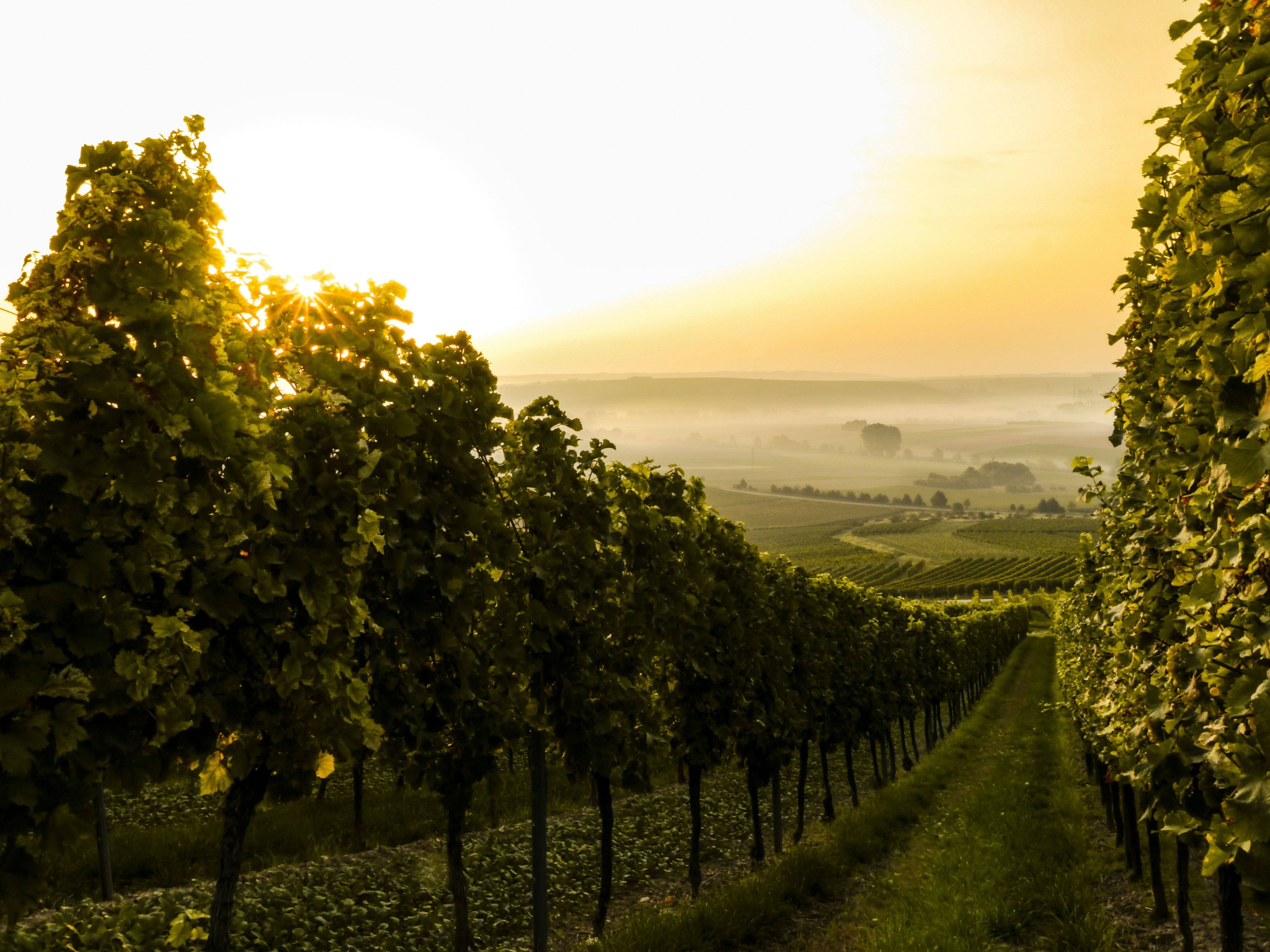
Past stone walls that monks walked five hundred years ago. Through vineyards that have no Instagram. Into villages where the bar opens at seven and closes when the last person leaves. Into silences that cost nothing and are almost impossible to find.
The effort is real. The tiredness at the end of the day is real. The meal that follows is the best meal of your life, and you will know exactly why.
This is for people who are tired of consuming places. It is for people who want to be somewhere.
How it moves
Each day has a shape. Morning cold, the first kilometres in silence, the body waking up. Then the hours open. Then the place you are arriving at earns its meaning.
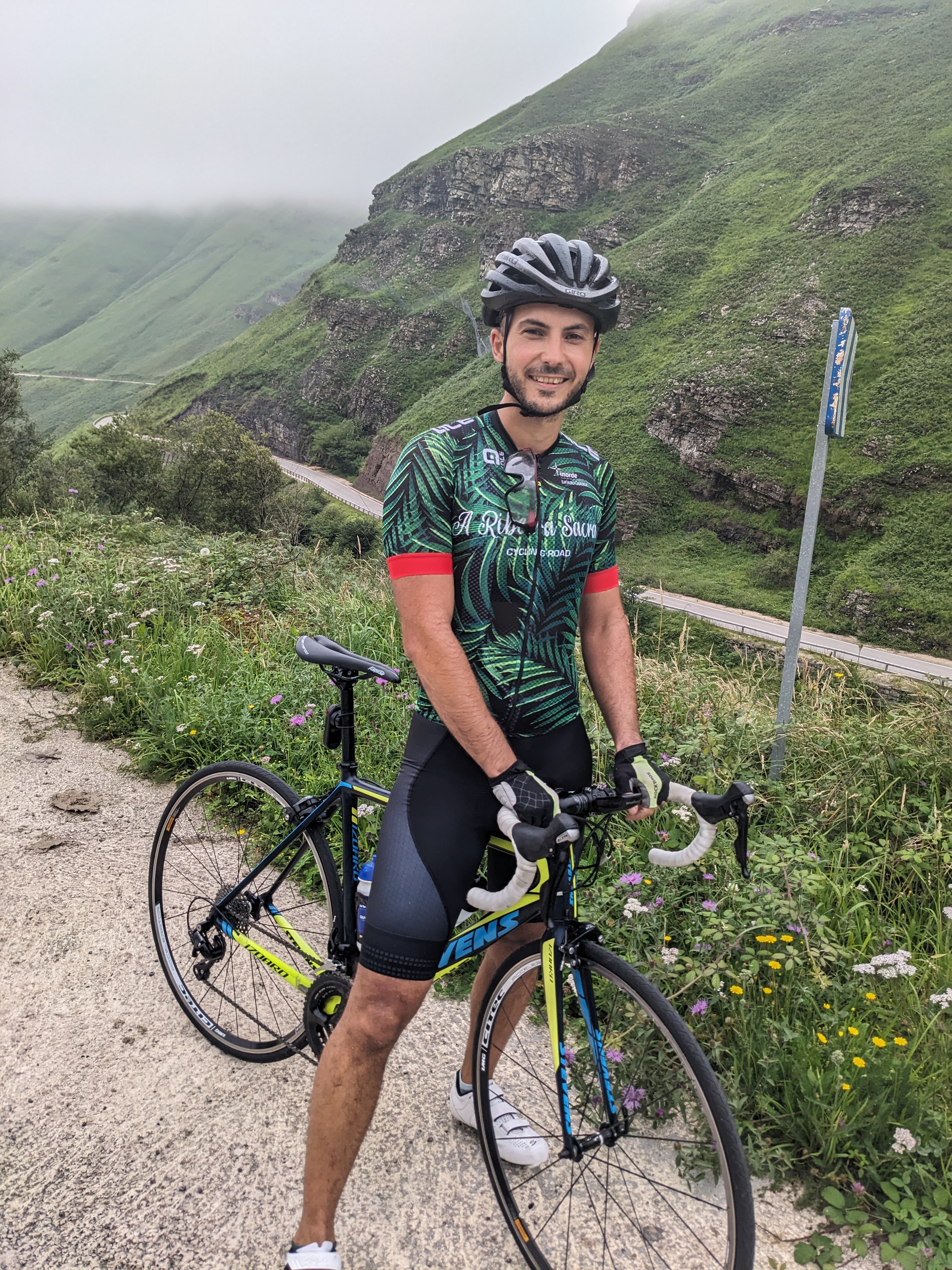
Seventy to a hundred kilometres each day. Quiet roads. Persistent terrain. A support vehicle alongside, a mechanic who knows your bike. The route adapts to your group. The road does not.
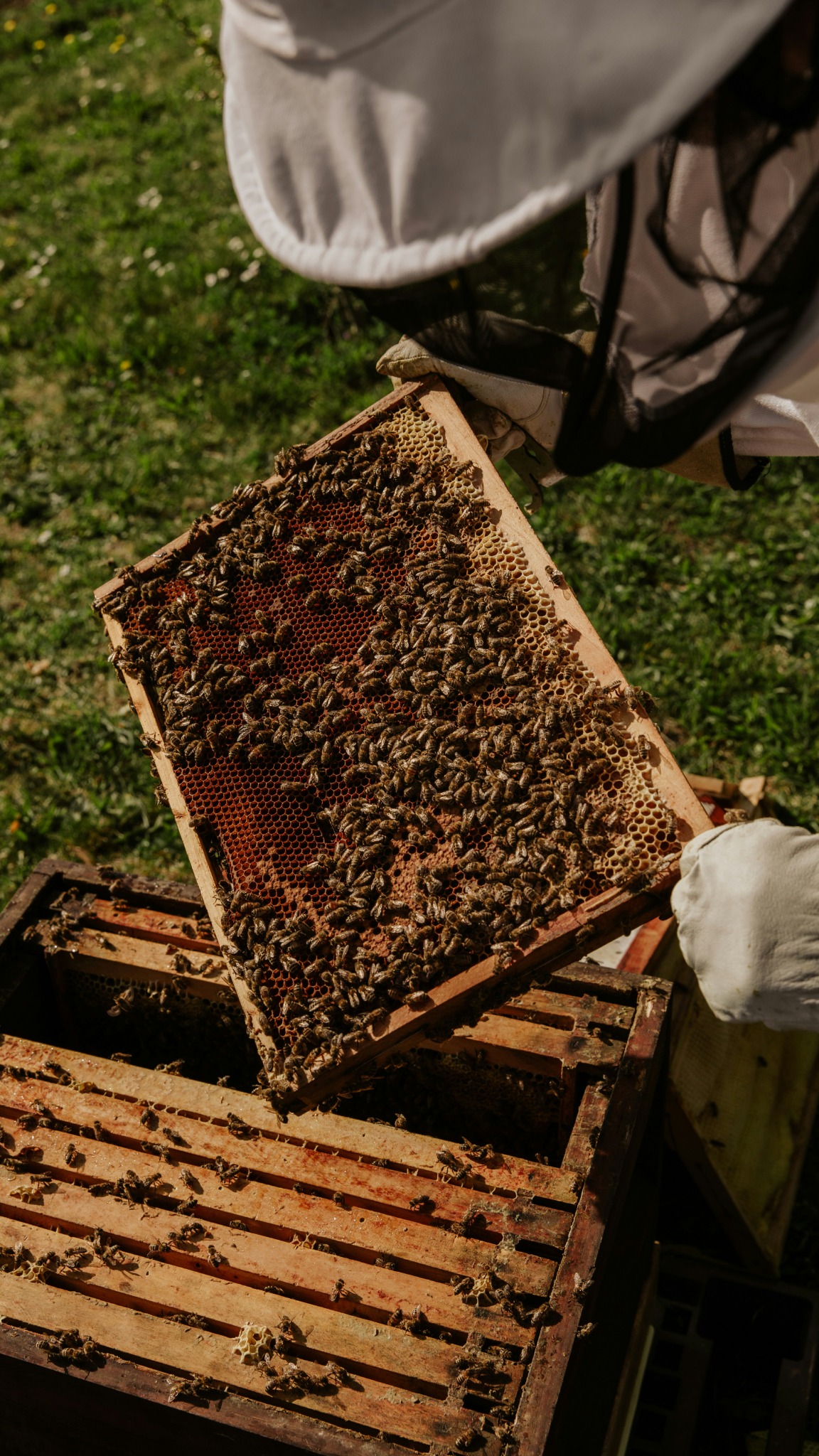
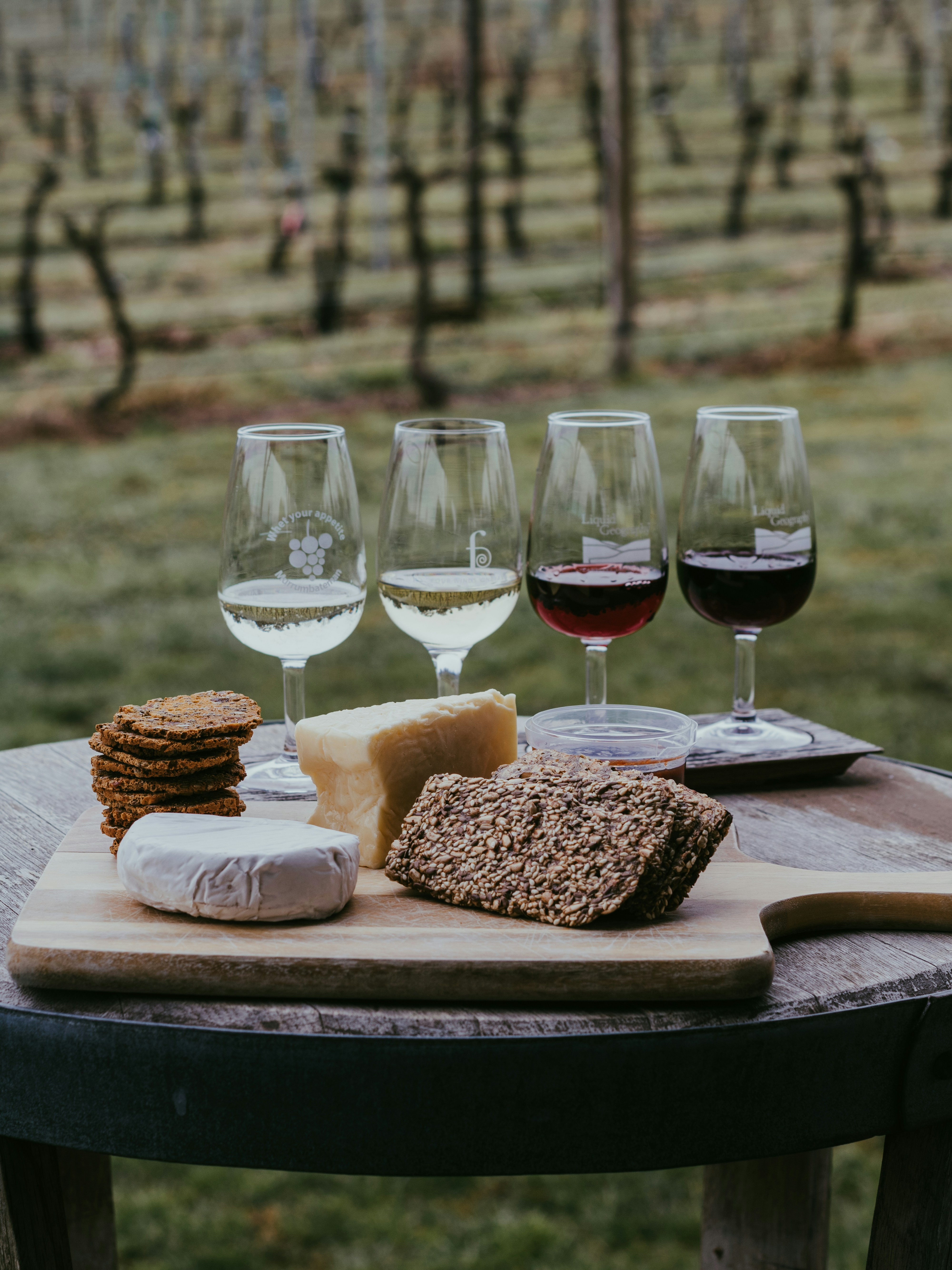
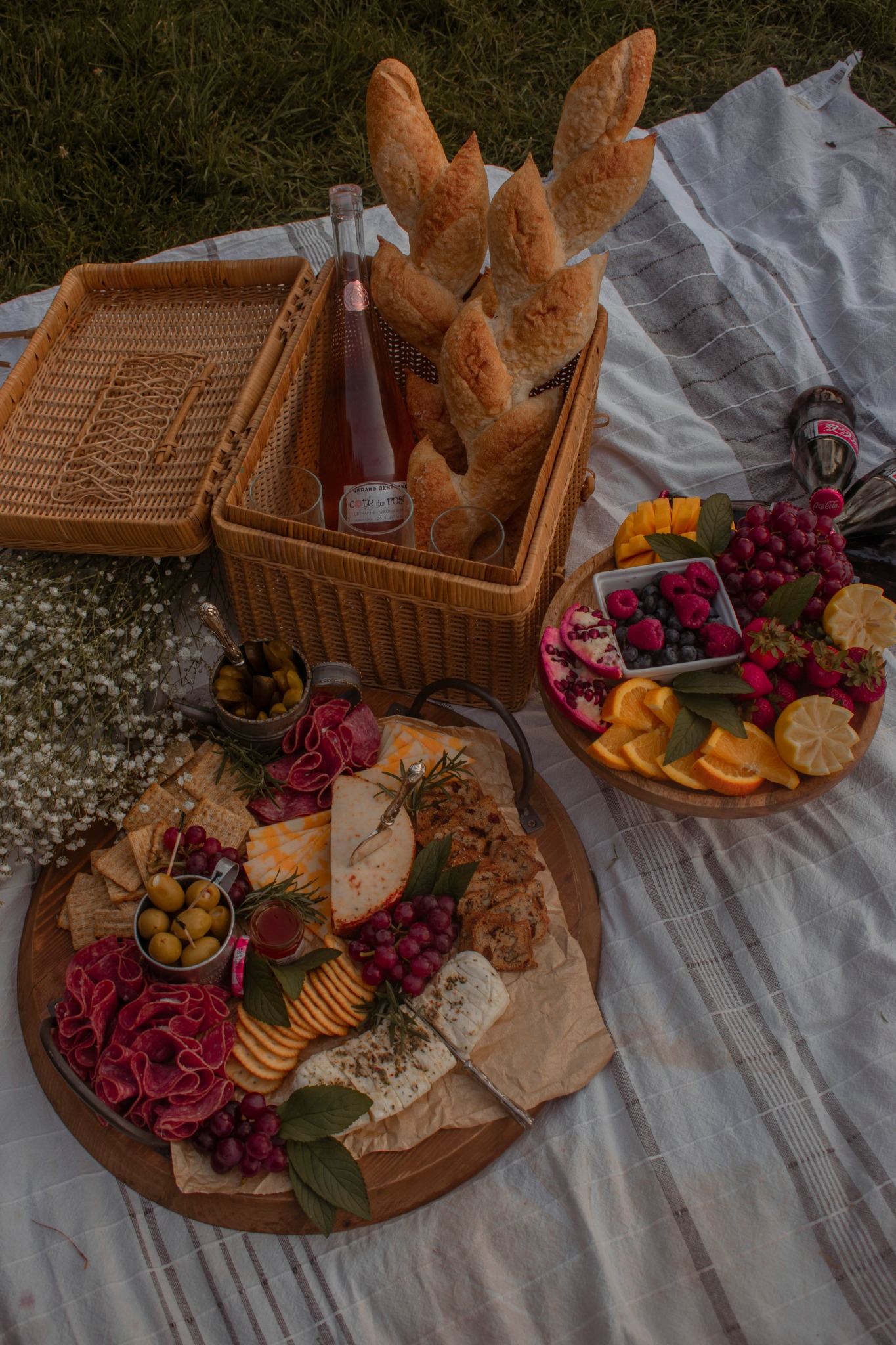
A beekeeper. A winery with no website. A woman who has been making cheese in the same room for forty years. These are not experiences that Álvaro has arranged. They are relationships he has built over time. They open because he knocks.
The logistics. The decisions. The noise. Transfers, bikes, accommodation, mechanics — all of it handled, none of it visible. You arrive somewhere and it is ready. You leave and it is already behind you. That is the point.
Where you stop
The places are chosen for how they feel at six in the morning, not how they photograph.
Restored farmhouses, small paradores with thick walls, characterful hotels that have been somewhere for centuries and have no intention of becoming anything else. Some have no website. Some have no name you would recognise.
Held, not managed. That is the difference most hospitality has forgotten how to make — and the only standard that matters here.
What makes this possible
The roads are not secret. The villages are not hidden. What is rare is the permission.
Permission to enter a cellar that receives no visitors. Permission to sit at a table that is not a restaurant. Permission to be somewhere as a guest rather than a tourist. That permission does not come from money. It comes from years of showing up, speaking Spanish, and being trusted.
Álvaro has spent years building that trust. Every group that travels with him inherits it for a week.
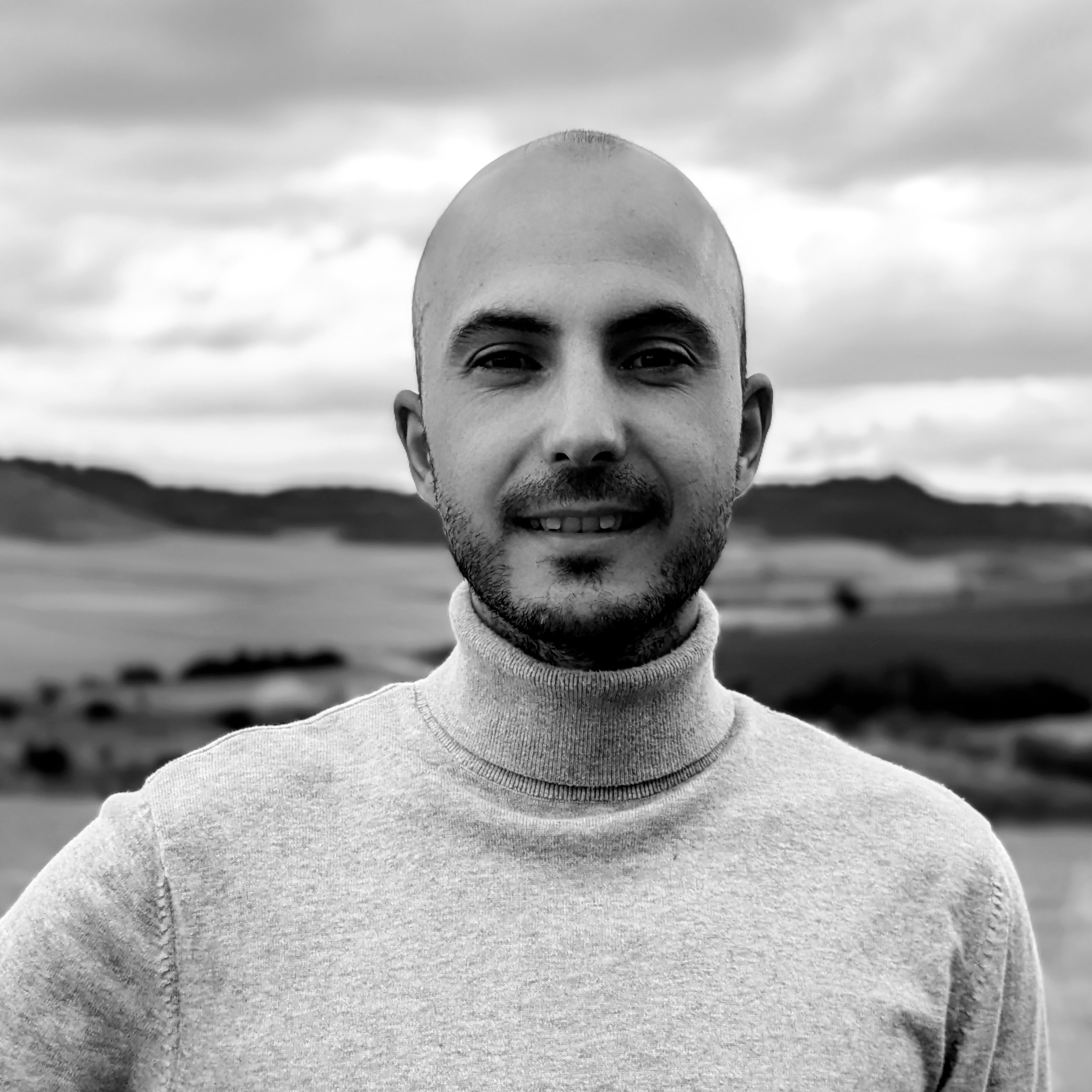
The host
"I have travelled half the world. What I found is that what I love most is teaching — showing what I know."
Thailand. The Netherlands. Germany. South America. Years of moving, working, collecting kilometres and experiences in places that were not Spain.
And then the realisation — not dramatic, just honest — that the country worth showing was the one I had grown up taking for granted. A Spain that has barely changed in hundreds of years. Not the Spain of tourist brochures. The real one: the bars that open early, the vineyards with no sign, the villages where the same families have done the same things for five generations.
The bicycle is part of the answer too. Not because of performance or sport. Because nobody gets on a bicycle and stays serious for long. It connects you to something younger in yourself — the child who rode without thinking about where they were going, only about the feeling of moving. That is what I want people to feel on this journey. Not challenged. Alive.
If you are reading this, this is for you. I want to show you my Spain.
The route
From Soria to Miranda do Douro, the bicycle follows the Duero from its youth to its border. Each night in a different place. Each place with a different reason to stop.
1,062m · Departure
The city where the Duero is still young. Cold mornings, empty streets, the smell of pine. You start here and the river leads you west for the rest of the week.
893m · Night one
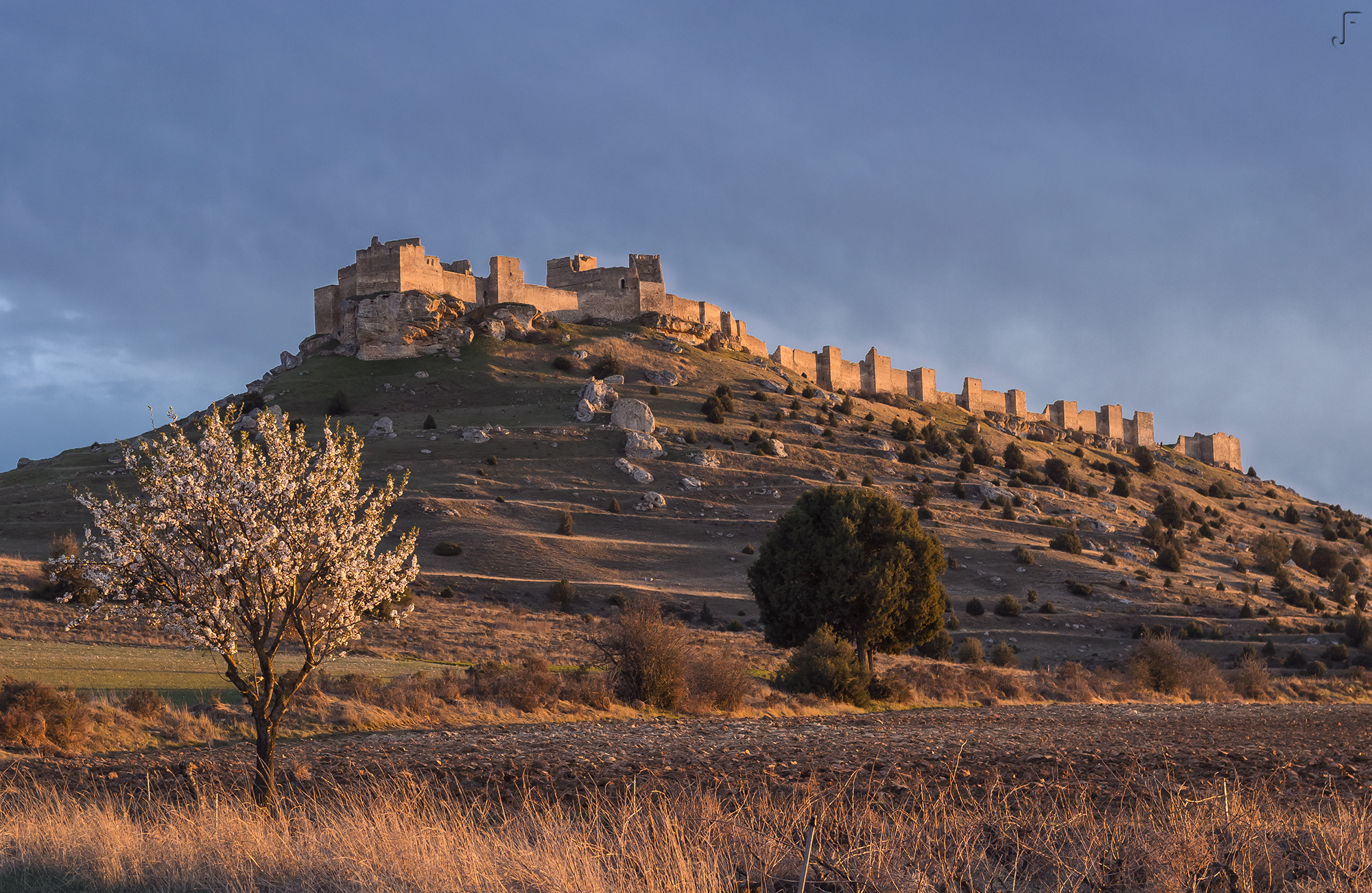
A fortified village on a hill that most people drive past on their way somewhere else. A castle, a collegiate church, an old bar that closes when it wants to. Your first night in the real Castile.
849m · Night two
One of the most beautiful villages in Burgos. A Renaissance palace, a porticoed square, a pharmacy that has been open since 1685. The kind of place that appears in no travel magazine and is perfect for exactly that reason.
733m · Night three
A twelfth-century Cistercian monastery on the bank of the river. The longest day. The valley opens here into wine country — Ribera del Duero. That evening, a private cellar. A wine you will not find in any shop.
687m · Night four
Where Spain and Portugal divided the world between them in 1494. The river is wide here, slow, historical. A medieval bridge, an old convent, the feeling that you have crossed into a different rhythm.
626m · Night five
The city with more Romanesque churches per square kilometre than anywhere in Europe. The Duero here is at its widest. The light in the late afternoon turns everything amber. You have been moving for five days and this is the first moment you stop and simply look.
667m · Final night · Portugal
The last stage crosses into Portugal. The gorge of the Duero international — the border between two countries drawn by a river in a canyon. The journey ends on the water: a private cruise through the gorge, the cliffs on both sides, and the silence of something finished.
Four windows · 2026
Write to Álvaro. Tell him when, and roughly who you are. He will be honest about whether this is right for your group. If it is, he will tell you what happens next. If it is not, he will say so.
No forms. No funnels. alvaro@ridetherealspain.com